
This week’s meeting of the Federal Open Market Committee surprised … no one.
The data was crystal clear, so the consensus was solid. No rate cuts this month from the Federal Reserve.
But it’s important to remember — these meetings aren’t just about rate cuts or rate hikes. They’re also about the specific language used by Fed officials to deliver the news.
After all, the Federal Reserve has a limited set of tools for interacting with the economy. Outside of interest rates and occasional quantitative easing, all they can really do is talk. So they’ll use very specific language, gently telegraphing their expectations to those in the know.
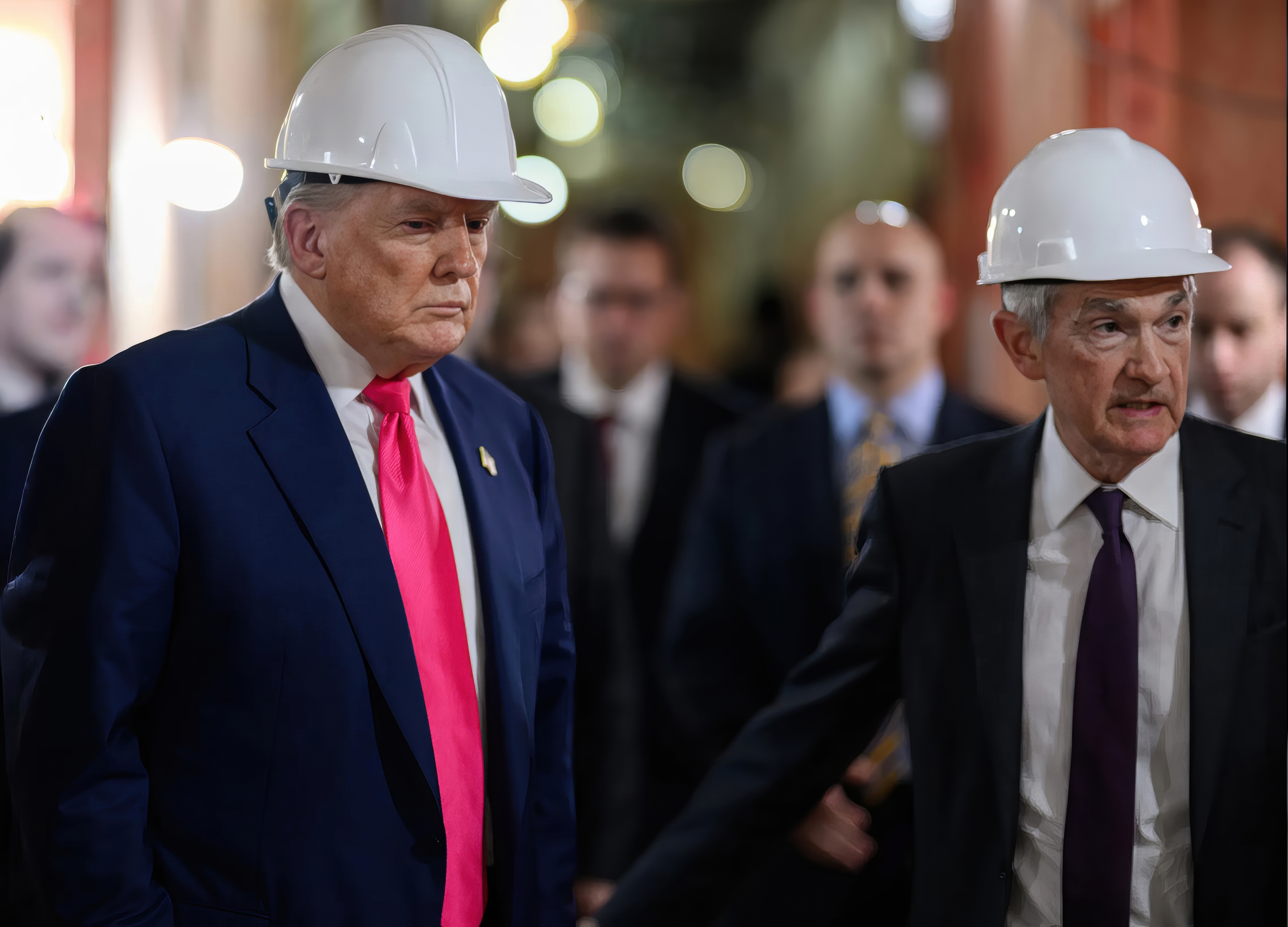
And this latest announcement from the Fed (Powell’s final as Chairman) points towards what we might call an “easing bias.”
Allow me to explain…
Video transcript:
It’s 2:40 in the afternoon on Wednesday.
This is Moneyball Economics, and the Federal Reserve has just wrapped up their regular meeting where they talk about interest rates. And stepping out from behind the curtains emerged the chairman of the Fed, Jerome Powell.
Now, Chairman Powell released a couple of tidbits that some of them were expected and others were major surprises. Let’s talk about today.
Coming into today, the consensus view is that there would be no rate cut. And there were reasons for that. We have some offsetting data in the economy that doesn’t indicate whether the economy’s expanding or slowing. By that, I mean, we’ve got affirming up of labor data.
So that’s usually associated with an expanding economy and speaks against rate cuts. On the other hand, we’ve got inflation more or less coming down before the Iran stuff was happening. And so if that continues, that tends to reflect an economy that’s slowing.
So we’ve got one softening signal, one firming signal.
The Fed took a wait and see approach and said, let’s see what happens after this Iranian oil inflation goes away. So a couple months from now. Where the first surprise came in was how they announced it. So in announcing that there would be no rate cut today, the Fed added some language that says, but we’re going to add in the concept that there might be easing downstream, this easing bias, meaning we’re open to rate cuts still.
Now that’s interesting because at the beginning of the year, everybody expected rate cuts. Consensus was even thinking maybe 1% rate cuts, not me. I was saying no, we’ve got an expanding economy that does not justify rate cuts. And in fact, towards the end of the year, rate hikes will be the talk of the town. And consensus has come along a lot closer to my view, holding onto the hope of one rate cut, 25 basis points or so.
And so today’s announcement, this curve ball of no rate cut today … but we’re open to a rate cut tomorrow.
Well, that threw a life preserver out to those who think there might be a rate cut. So that was one curve ball the way they positioned today.
But it was also interesting of who voted. And this is where it gets even more weird. 12 people vote and today’s vote was split eight to four. Now that’s an interesting number because remember, when you got 12 voters, it takes seven to pass.
Eight to four means there were substantial number of dissenting votes, but that’s not where the real surprise is. Eight people voted to keep rates flat. The dissent though came in terms of that easing language.
And this is where it’s interesting.
You had exactly one out of these 12 governors say, “We need to do a rate cut.”
And then you had three governors out of the total 12 who said, “Not only don’t we need a rate cut right now, there’s no easing going on.” Meaning we could even be talking about a rate hike.
So you’ve got three out of 12. This is a very interesting setup because it suggests that there’s a potential of life preserver. We might do a rate cut.
That’s what the easing bias means, but there’s also a strong potential of no rate cut at all or rate hike.
This is very much confusing and the markets are trying to digest what that might mean.
And then there was another curve ball. And this came in the form of a surprise by Chairman Powell about his own tenure. So Chairman Powell is no longer going to be chairman going forward. Starting June, we’re going to have a new person in place, likely to be a guy named Warsh.
Warsh was today voted to move forward. The vote was 13 to 11 by the Senate committee, basically down party lines. So Warsh is now in motion to be the new governor. Where Powell was a lot more cautious, wasn’t really that dovish.
Warsh is pretty dovish. He likes the idea of easing interest rates, which is why Trump has put him in. Trump is trying to stack the board. Literally, he’s got someone in charge in favor of that easing. And this is where the surprise came. Although he’s no longer chairman, Jerome Powell elected to continue for the next year in his role as just an ordinary Fed governor. And he’s going to have the opportunity to vote as well as influence the voting in general.
So this is where it’s really interesting…
It’s like Teddy Roosevelt after he was president going into Congress. What we have set up is Trump thought he was stacking the board with players who were going to go along with him and ease, drop interest rates.
Powell sticking around in a constructive way could possibly be breaks on that easing. In fact, what was really interesting to me is Powell stood up and he said, “The Fed’s being messed with politically. There’s a lot of things coming at the Fed, undermining them from politicians, and that’s just not okay. We need an independent central bank.”
And then he clarified, when I say politicians, I don’t mean elected officials. Well, I wonder who he could possibly mean. Is Trump in that bucket or just some of Trump’s, I don’t know, Bessent or some of the people that Trump has assigned who “aren’t elected, but represent what the president’s wishes are. ”
Bottom line, what we have is an interesting setup where you’ve got the new guy in charge is in favor of easing. The old guy’s sticking around and he may not be in favor of easing.
It could offset and it could prevent Trump from stacking the board. It could actually work against the idea of a rate cut going forward. So what we have is an introduction of unpredictability.
The markets don’t like unpredictability. So they’re going to digest this, but none of this matters for a couple of months. And even then, we just don’t know. Wait and see, wait and see. We don’t know where Powell’s going to go.
We don’t know where Warsh is going to take things. It’s kind of like you put someone on the Supreme Court, you really expected them to go in this direction, but it turns out they’re voting in the opposite direction.
So unpredictability will be the theme for the next six months, not just unpredictability in the economic data, where does inflation go? When does this oil shock? And what is happening under the surface with the broader economy?
That’s going to take a few more months for that to get resolved. And then we’ve got, what is Chairman Powell really going to be doing when he’s no longer chairman? It’s kind of a fun day for those who watch the Fed. It does have longer term implications for the market. Tech stocks want those rate cuts, for example. We’ll see what happens. Set up for a really interesting summer.
We’re in it to win it, folks.
Zatlin out.
Andrew Zatlin
Editor, Moneyball Economics